bioRxiv [Preprint] · 2025
The dramatic impact of the PER–DBT interaction on circadian timekeeping and temperature compensation
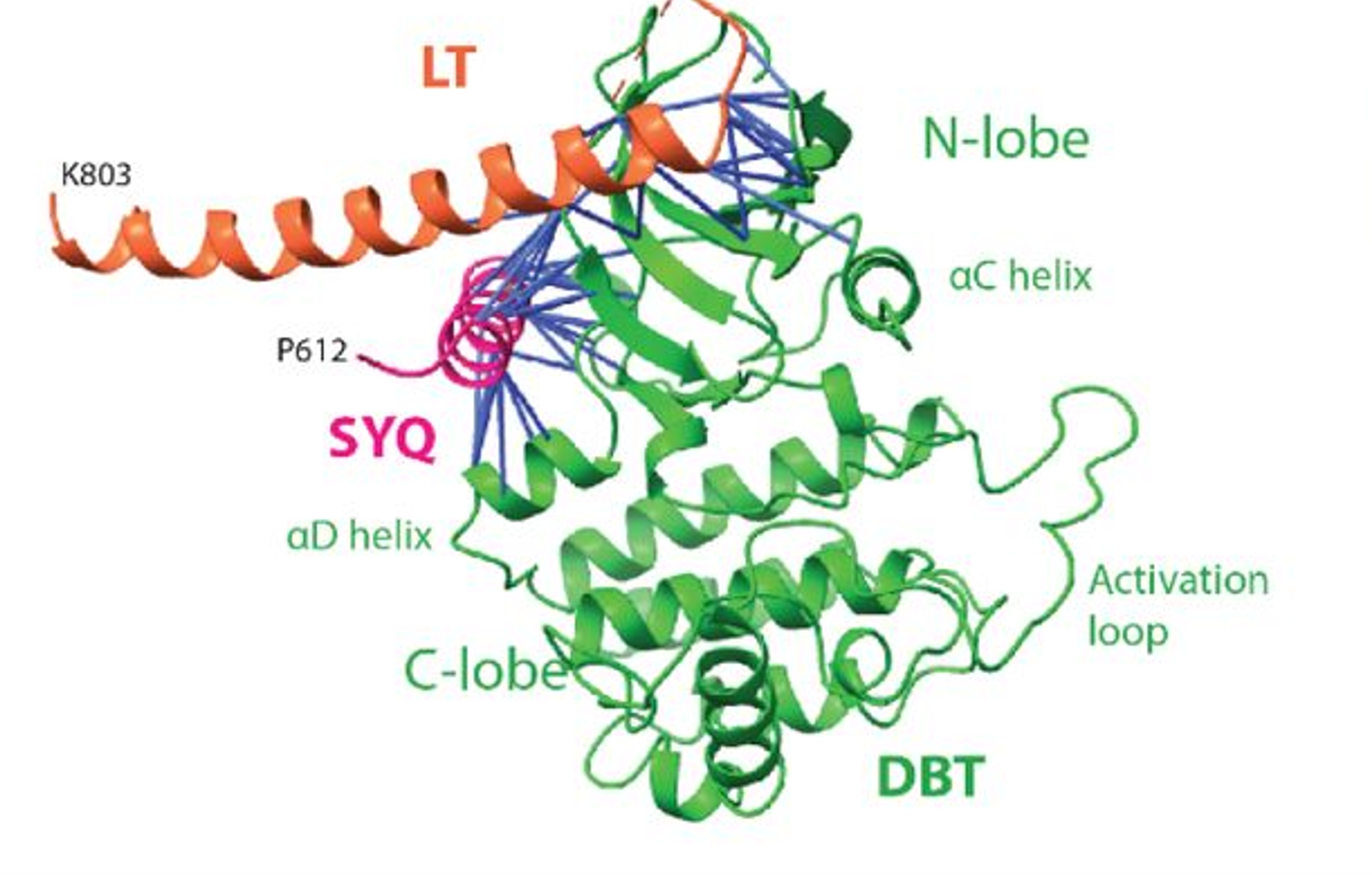
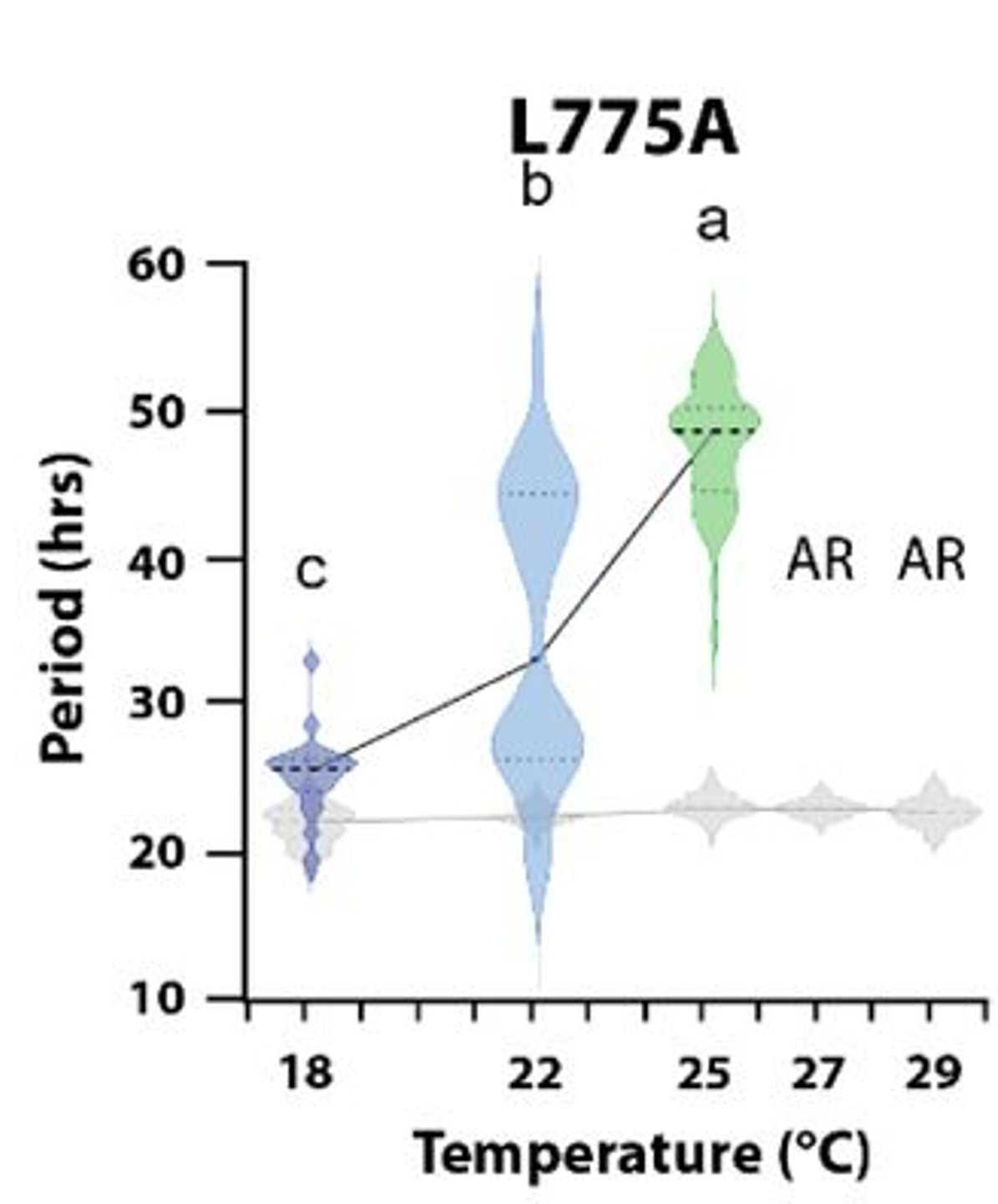
The circadian clock relies on phosphorylation-dependent timers to dictate period length and ensure temperature compensation. Using AlphaFold2-multimer, we predicted the interaction interface between PERIOD (PER) and DOUBLETIME (DBT/CK1). Structure-guided point mutations designed at this interface produced the longest circadian periods ever recorded in Drosophila (>48 hours) and revealed a novel, unexpected mechanism of temperature compensation driven by PER-DBT interface dynamics.
- AlphaFold2 prediction of the PER-DBT complex interface verified by structure-guided mutagenesis
- Created charge-swap rescue mutants (E621K/K789E) proving a critical salt bridge
- Discovered the longest circadian period mutants on record (>35 hours)
- Uncovered a novel structural mechanism underlying temperature compensation